
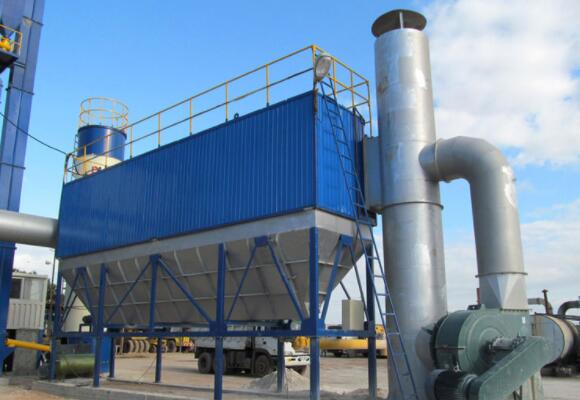
Baghouse dust collector system is one of the most widely used air pollution control solutions in industrial plants, designed to remove particulate matter from process exhaust gases through fabric filtration. Thanks to its high collection efficiency and reliable operation, baghouse systems are commonly applied in asphalt plants, cement plants, power stations, steel mills, and aggregate processing facilities.
High dust collection efficiency, often exceeding 99%
Effective removal of fine and submicron particles
Suitable for a wide range of temperatures and dust types
Stable and reliable long-term operation
Dust can be recovered and reused in many processes
What is a Baghouse Dust Collector System
A baghouse dust collector system is a complete filtration unit that captures dust-laden air, separates solid particles using filter bags, and discharge cleaned gas to the atmosphere while collecting dust for disposal or reuse.
Unlike simple dust collectors, a baghouse system is an integrated setup that includees filtration, cleaning, dust handling, and control components working together as one system.
Main Components of a Baghouse System
A typical baghouse dust collector system consists of the following key parts.
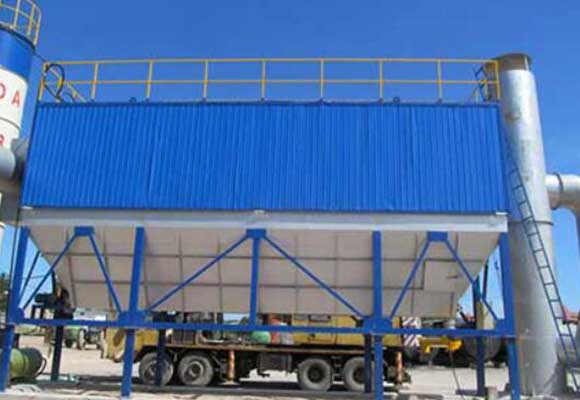
Housing
A sealed steel enclosed that directs airflow and supports internal components.
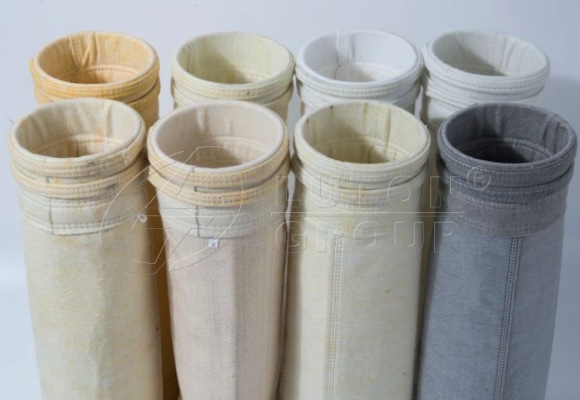
Filter Bags
Fabric tubes or envelops that capture dust particles from the gas steam.
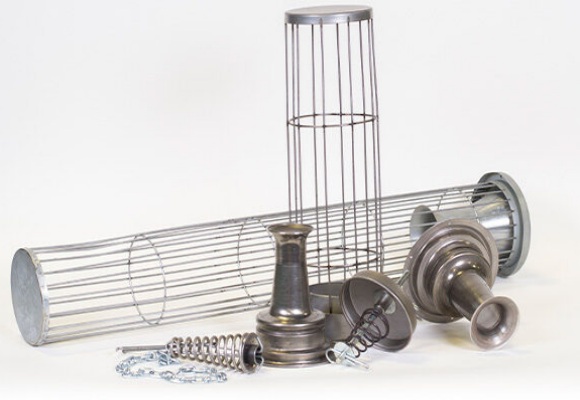
Cage Assemblies
Metal frames that support the filter bags and maintain their shape.
Air Inlet and Outlet
Dirty air inlet and clean air outlet control the flow of gas through the system.
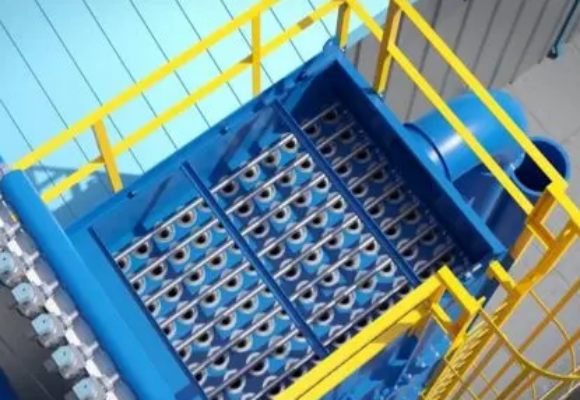
Cleaning System
Mechanical shaker, reverse-air, or pulse-jet cleaning mechanism.
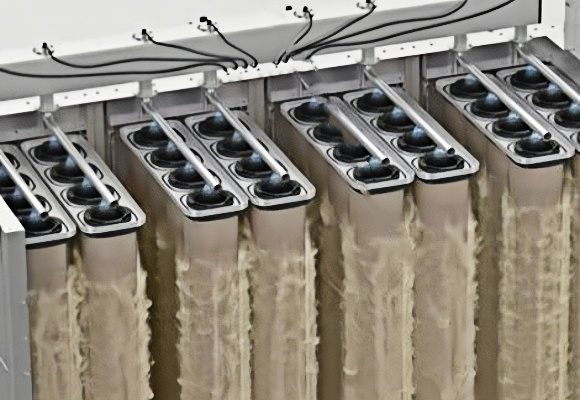
Dust Hopper
Dust hopper collects dislodged dust at the bottom of the baghouse.
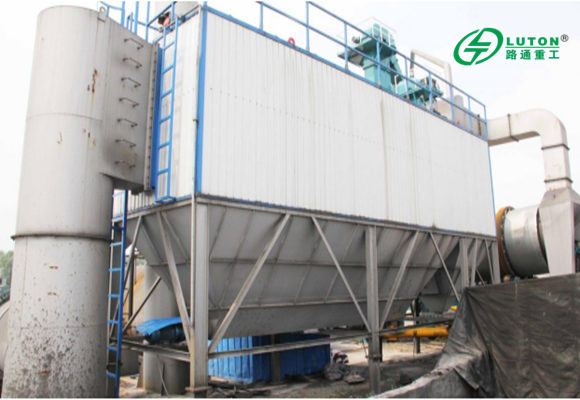
Discharge Devices
Rotary valves, screw conveyors, or pneumatic systems for dust removal.
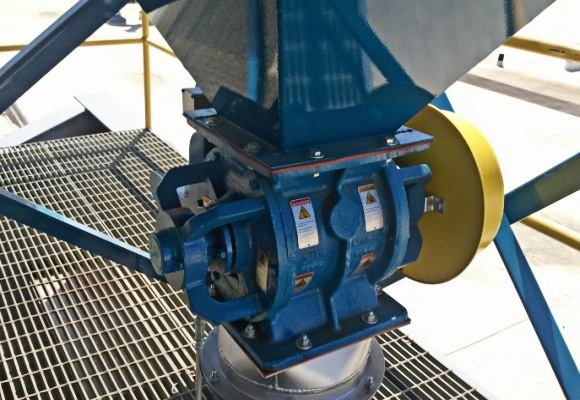
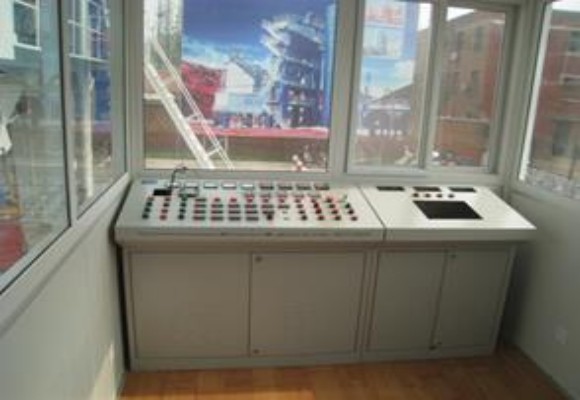
Control System
PLC or timer-based controls for cleaning cycles and monitoring pressure drop.
How a Baghouse Dust Collector System Works
The operation of a baghouse dust collector system can be divided into two continuous processes: dust collection and dust removal.
Dust Collection (Filtration Process)
Dust-laden gas enters the baghouse through the inlet.
The gas is evenly distributed across the filter bags.
As the gas passes through the fabric, dust paticles are captures on the bag surface by intertial impaction, interception, diffusion, and gravitational settling.
A porous dust cake forms on the bag surface and becomes the primary filtering layer.
Clean air exits the baghouse through the outlet.
Dust Removal (Cleaning Process)
As dust accumulates, airflow resistance (pressure drop) increases.
When the preset pressure limit is reached, the cleaning system is activated.
The accumulated dust is dislodged from the bag surface and fall into the hopper.
Collected dust is discharged for disposal or recycled back into the production process.
Types of Baghouse Duste Collector System
Baghouse systems are commonly classified based on their cleaning method.
Mechanical Shaker Baghouse
This kind of baghouse uses mechanical vibration to shake dust from the bags, features as simple structure. It requires stopped or isolated airflow during cleaning, with no compressed air requirement.
Operating Principle
The system uses a motor-driven eccentric, crank, or shaker mechanism to create controlled oscillations. These vibrations are transmitted to the bag cages, causing the bags to sway and flex.
Cleaning Process
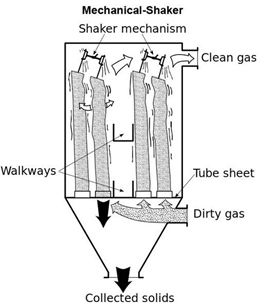
During cleaning, the airflow to the particular compartment is stopped or isolated to prevent dust from being re-entrained. The mechanical vibrations induce inertia and flexing forces that break the adhesion between the dust cake and the filter fabric.
Advantages
- Simple structure
- No need for compressed air
- Low maintenance costs
Limitations
Cleaning must be intermittent, which may require multiple compartments to maintain continuous plant operation. Not ideal for sticky or moist dust.
Reverse-Air Baghouse
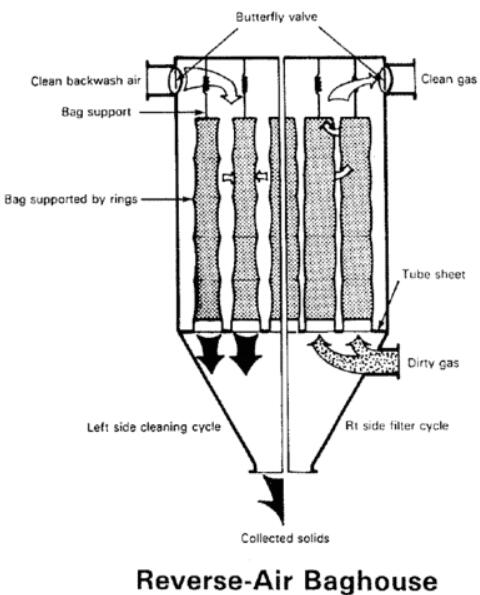
Reverse-air baghouse clean filter bags uses a low-pressure reverse airflow for cleaning, gentle on filter fabric.
Operating Principle
Clean air is introduced from the top or bottom in a reverse direction. This airflow gently collapses and flexes the filter bags.
Cleaning Process
As the bags flex, the dust cake cracks and falls into the hopper. Each compartment is cleaned sequentially, allowing other sections to continue filtration.
Advantages
- Gentle on filter fabric, reducing wear and tear
- It is effective for moderately stricky dust
- Can handle high-temperature gas streams
Limitations
Requires large housing and compartmentalized design, making the system bulkier and more complex to install.
Pulse-Jet Baghouse
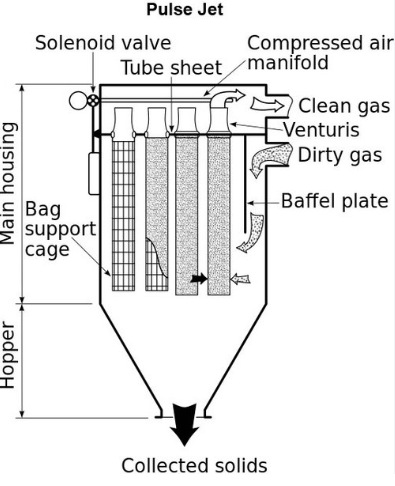
Pulse-jet baghouses use short, high-pressure bursts of compressed air to clean filter bags while filtration continues.
Operating Principle
Compressed air is stored in a header and released via solenoid-controlled pulse valves into a blowpipe above each bag. The sudden burst creates a shockwave inside the bag, causing it to rapidly expand.
Cleaning Process
The rapid expansion flexes the fabric and breaks the adhesion of the dust cake. Dislodged dust falls into the hopper while the filtration process is uniterrupted.
Advantages
- Continuous cleaning without stopping airflow
- Compact design suitable for limited space
- High effciency, effective for fine dust
Applications
Widely used in modern industrial plants including asphalt mixing, cement production, and aggregate processing.
Considerations
Requires a reliable compressed air supply and proper control timing to avoid bag damage or incomplete cleaning.
Advantages of Baghouse Dust Collector System
- High dust collection efficiency, often exceeding 99%
- Effective removal of fine and submicron particles
- Suitable for a wide range of temperatures and dust types
- Stable and reliable long-term operation
- Dust can be recovered and reused in many processes
Typical Industrial Applications of Baghouse Dust Collection System
Baghouse dust collector systems are used across numerous industries, including:
- Asphalt mixing plants
- Cement production lines
- Aggregate and crushing plants
- Power generation facilities
- Metallurgical and steel plants
- Chemical and mineral processing
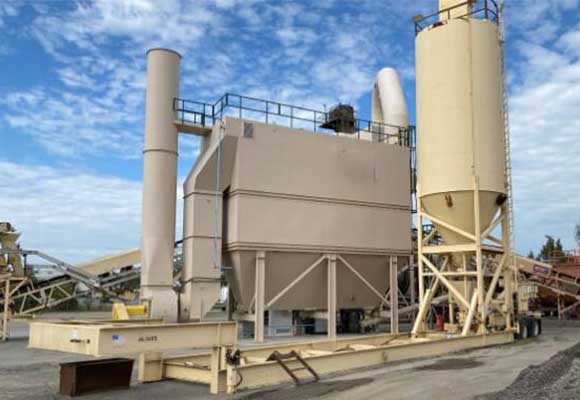
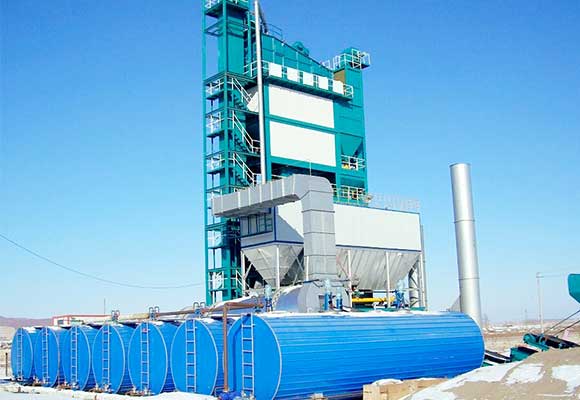
Baghouse Dust Collector System for Asphalt Plant
In asphalt batching plants, baghouse systems are especially important for:
- Capturing fine mineral dust from aggregate drying and mixing
- Reducing emission to meet environmental regulations
- Recovering reusable dust for production efficiency
- Withstanding high-temperature exhaust gases from drying drums
Selecting the righ filter media, cleaning method, and hopper design is crucial for optimal performance in asphalt plants.
FAQs About Baghouse Dust Collector Systems
How often should baghouse filters be cleaned?
Cleaning frequency depends on dust load, airflow, and bag type. Pulse-jet systems can clean continuously, while shaker and revers-air systems operate intermittently.
What is the difference between a baghouse and a cyclone?
Cyclones use centrifugal force to separate particles and are less efficient for fine dust, while baghouses use fabric filtration and can capture submicron particles.
How long do filter bags last?
Bag filter varies with dust type, temperature, and cleanng method, typically ranging from 1 to 5 years.
Why Choose a Baghouse Dust Collector System for Your LUTON Asphalt Plant
- High-quality, durable filter bags and cages
- Advanced pulse-jet cleaning technology for continuous operation
- Customized design for asphalt, cement, and aggregate plants
- Easy maintenance with automated control systems
- Compliance with local and international emission standards
- Efficient dust recovery to reduce material loss and cost
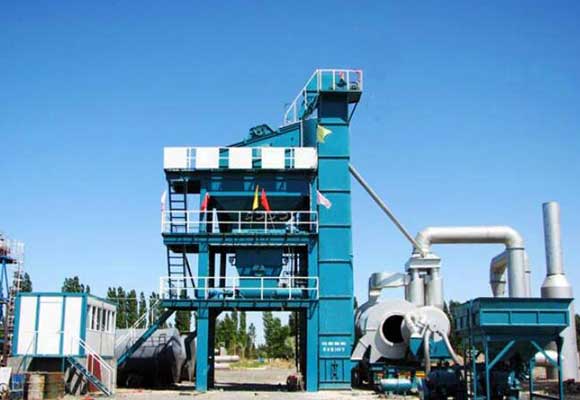
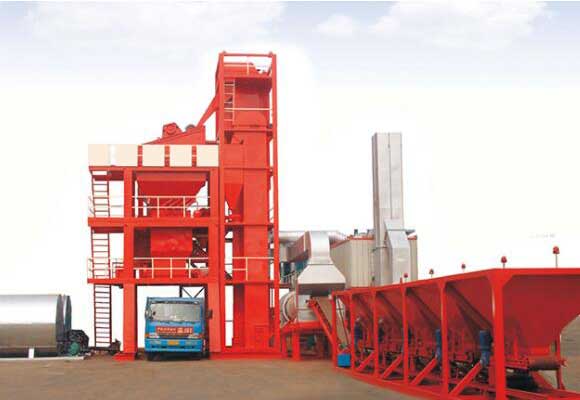
A baghouse dust collector system is a highly efficient and proven solution for industrial dust control. By combining fabric filtration with an appropriate cleaning mechanism, it ensures stable airflow, low emissions, and reliable plant operation. Selecting the right system design and cleaning method is essential for achieving optimal performance and long service life.
All in all, a baghouse dust collector system removes particulate matter from industrial exhaust gases by filtering dust-laden air through fabric bags and periodically cleaning the bags to maintain efficient and continuous operation, suitable for a variety of industrial applications including asphalt batching plants.