
Hot mix asphalt (HMA) plants play a crucial role in modern road construction, producing high-quality asphalt mixtures efficiency and reliability. Understanding hot mix asphalt plant operations is essential for ensuring consistent product quality, optimizing production, and maintaining safety standards.
What Is A Hot Mix Asphalt Plant
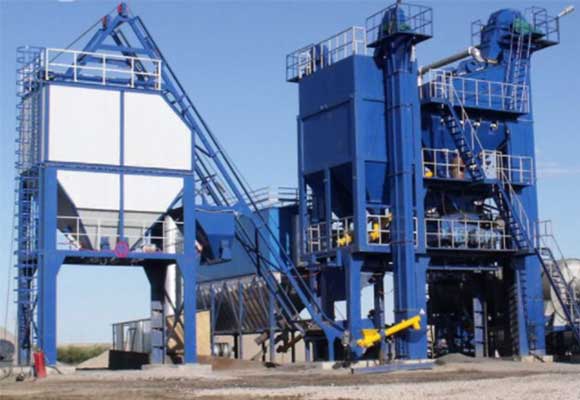
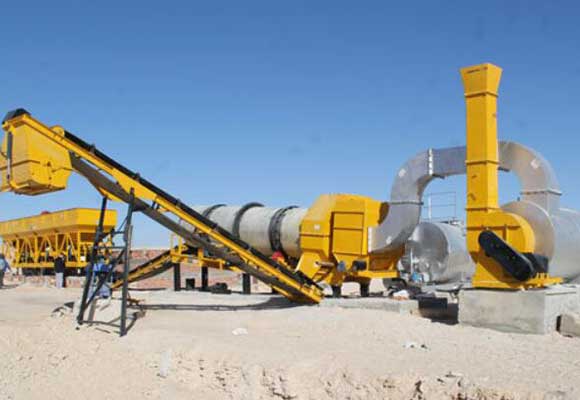
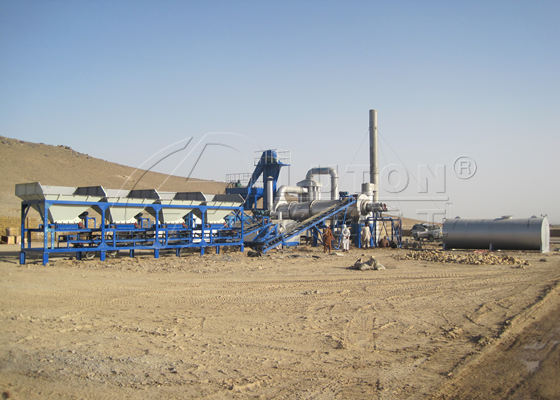
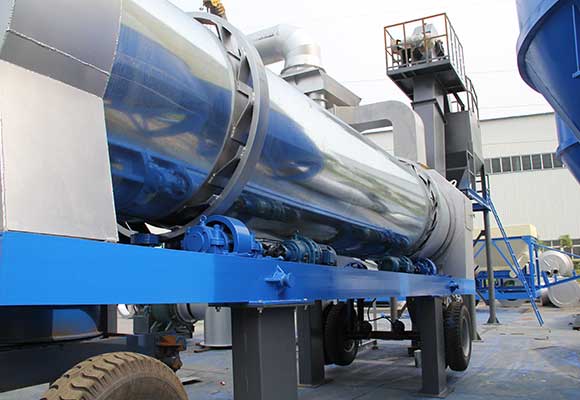
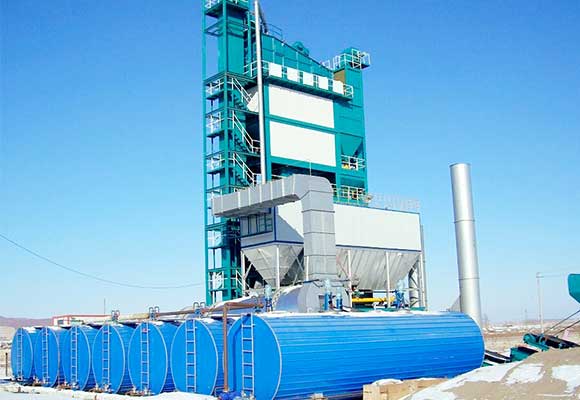
A hot mix asphalt plant is a facility that produces asphalt mixtures by heating and combining aggregates, bitumen, and filler materials in precise proportions. These plants ensure the asphalt reaches the proper temperature and consistency for road construction, paving, and repair projects. HMA plants are commonly classified into batch type and drum mix type, each designed to meet specific production capacities and project requirements. Efficient operation of these plants is essential for maintaining consistent asphalt quality, reducing material waste, and achieving on-time project delivery.
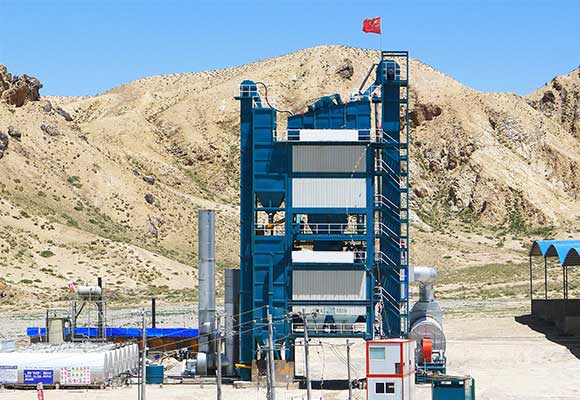
Key Operational Strategies for Hot Mix Asphalt Plants
Efficient production in a hot mix asphalt (HMA) plant requires careful management of every stage, from raw material handling to final asphalt delivery. Proper operation ensures consistent asphalt quality, improves productivity, reduces waste, and lowers operating costs.
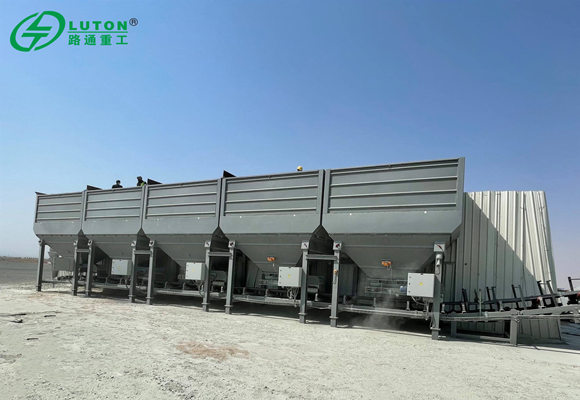
Aggregate Handling and Feeding
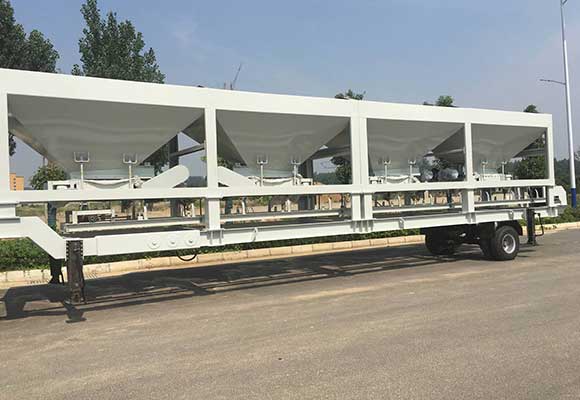
- Store aggregates of different sizes in separate bins and maintain adequate levels to avoid production interruptions.
- Accurately proportion aggregates according to the mix design to ensure consistent asphalt quality.
- Automated feeders or weigh belts can improve accuracy and reduce human error.
Drying and Heating
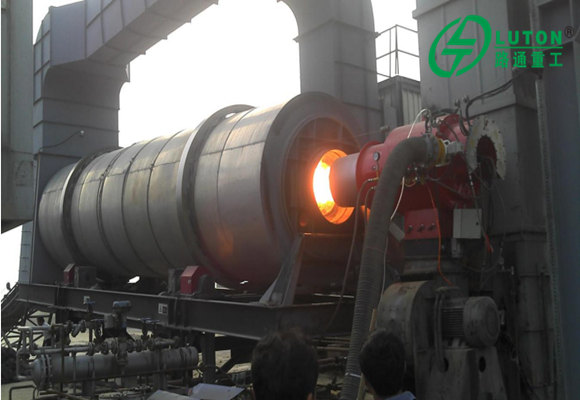
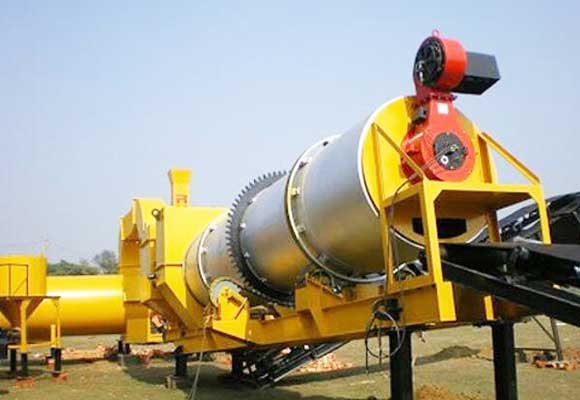
- Convey aggregates into the dryer drum to remove moisture and heat them to the specified temperature.
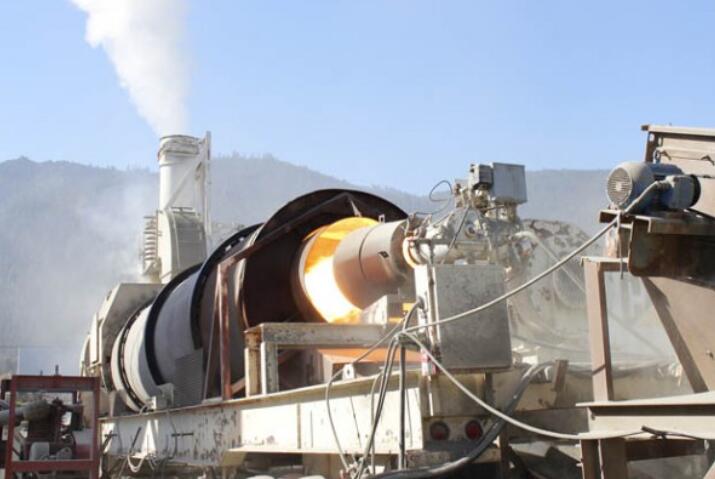
- Monitor burner flame, fuel consumption, and drum temperature to prevent uneven heating or material degradation.
- Regular maintenance of burners, drum flights, and fuel systems ensures consistent performance.
Screening, Weighing, and Storage
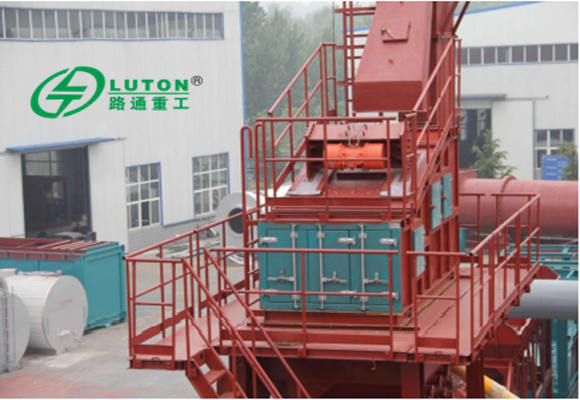
Screen dried aggregates to remove oversized particles.
Weigh aggregates, bitumen, and filler materials precisely according to the mix design.
Temporary storage in hot bins allows continuous mixing and prevents production delays.
Mixing Process
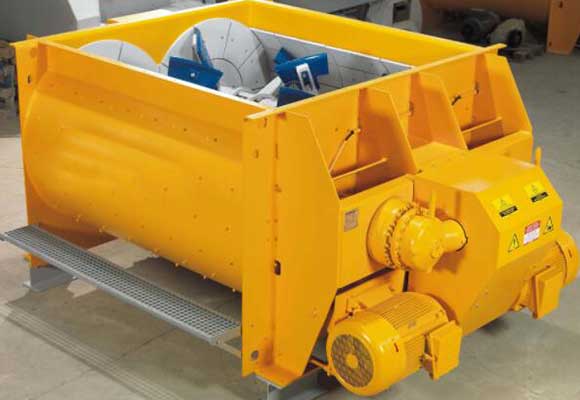
Combine aggregates with heated bitumen in the mixer. Control mixing time and temperature for uniform coating and proper workability.
Batch plants mix in timed batches; drum mix plants mix continuously.Monitor moisture content and aggregate temperature during mixing to maintain product quality.
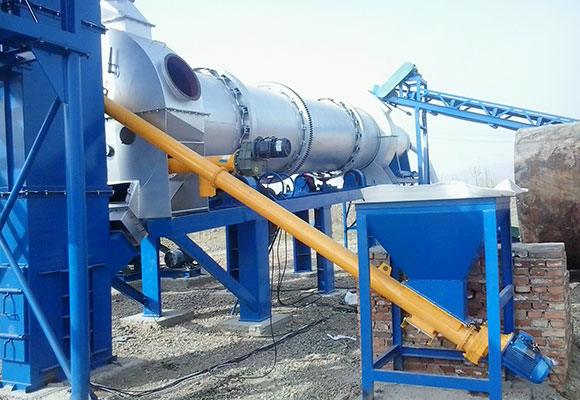
Asphalt Storage and Discharge
Store finished asphalt in silos or hot bins, maintaining proper temperature to prevent premature cooling.
Coordinate loading schedules to minimize truck waiting times and heat loss.
Safety and Environmental Management
Follow strict safety protocols for high temperatures, moving equipment, and combustible materials.
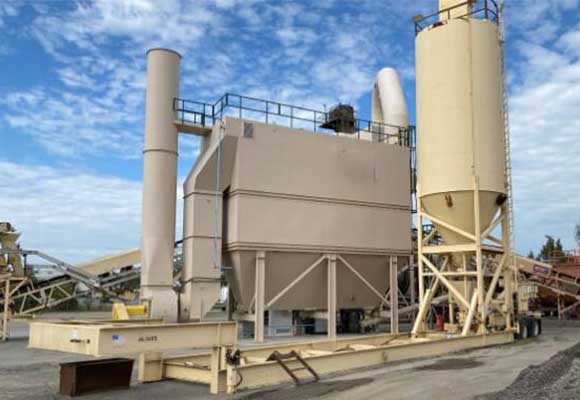
Monitor dust collection, smoke exhaust, and noise control systems to comply with environmental regulations.
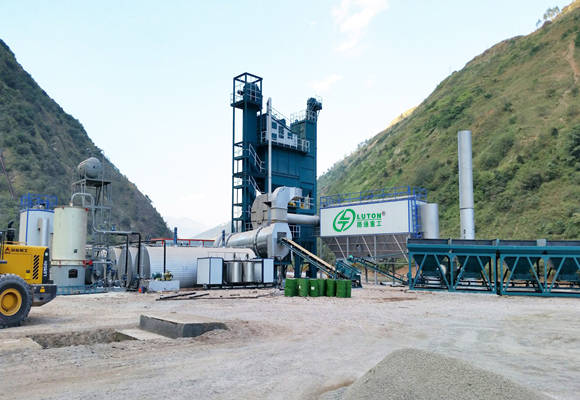
Optimization and Best Practices
- Implement automated control systems to improve consistency and reduce human error.
- Inspect key components regularly: burners, conveyors, mixers, and silos.
- Monitor production data (temperature, moisture, proportions) to identify inefficiencies.
- Train operators on both technical and safety procedures to maximize plant performance.
Effective operation in hot mix asphalt batching plants is not just about running equipment – it’s about integrating process control, quality management, and maintenance to achieve reliable, high-quality asphalt production.
Factor That Influence Hot Mix Asphalt Plant Efficiency
The efficiency of a hot mix asphalt (HMA) plant depends on several critical factors that directly impact production quality, output, and operating costs. Understanding these factors allows operators to optimize performance and reduce downtime.
Aggregate Quality and Moisture Content
Consistent aggregate size and moisture content are essential for uniform heating and mixing.
High moisture levels increase drying time and fuel consumption, while uneven aggregates can cause segregation in the mix.
Temperature Control
Proper heating of aggregates and bitumen is crucial. Overheating can degrade the bitumen, while underheating can result in poor coating and workability.
Continuous monitoring and adjustment of burner settings and drum temperature improve consistency and efficiency.
Equipment Maintenance and Calibration
Worn-out or misaligned components like conveyors, mixers, or burners can reduce throughput and compromise asphalt quality.
Regular inspection, preventive maintenance, and calibration of weighing systems ensures smooth operation and accurate mix proportions.
Automation and Process Control
Automated control systems help maintain consistent feed rates, temperatures, and mix proportions, reducing human error.
Real-time monitoring of production parameters allows quick adjustments to avoid delays or material waste.
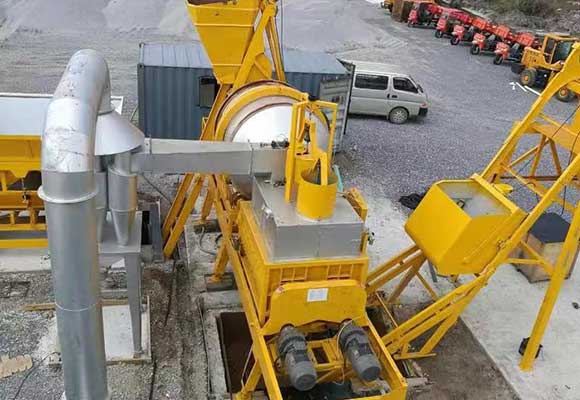
Plant Layout and Workflow
Efficient placement of bins, conveyors, dryers, and mixers minimizes material handling time.
Proper scheduling of loading, mixing, and discharge reduces idle time and keeps production continuous.
Operator Training and Management
Skilled operators who understand the process, equipment, and safety protocols can make quick decisions to prevent downtime.
Continuous training on best practise improves both efficiency and product quality.
By optimizing these factors, HMA plants can achieve higher productivity, lower operating costs, and superior asphalt quality, providing a significant advantage in competitive road construction projects.
Quality Control In Hot Mix Asphalt Plant Operations
Maintaining strict quality control is essential in hot mix asphalt production to ensure the final pavement performs well under traffic loads, temperature changes, and environmental conditions. Effective quality control begins with raw materials and continues through every production stage.
Control of Aggregate Gradation
Proper aggregate gradation ensures the right balance of stability, durability, and workability in the asphalt mix.
Operators must regularly check screen performance, adjust feeder settings, and verify aggregate size distribution against the mix design.
Monitoring Moisture Content
High moisture in aggregates increase drying time, fuel use, and the risk of temperature fluctuations.
Routine moisture testing helps operators adjust dryer settings and maintain consistent production output.
Bitumen Quality and Temperature
Bitumen must meet the required penetration or viscosity grade to ensure proper binding and durability.
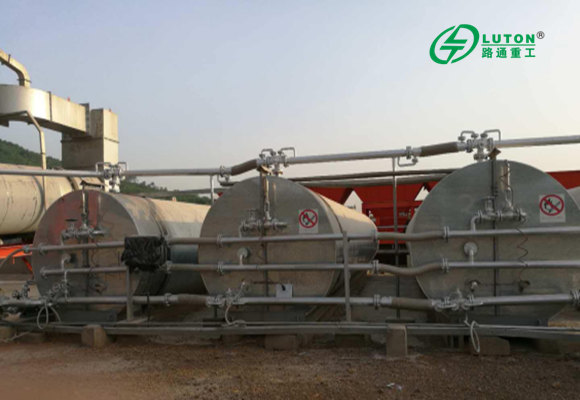
Maintaining the correct bitumen storage and pumping temperature prevents oxidation, improves coating efficiency, and enhances mixture stability.

Accurate Proportioning of Materials
Precise weighing of aggregates, bitumen, and filler materials is essential for meeting the mix design.
Calibrated weighing systems and automated controls help maintain accuracy and consistency between batches.
Mixing Time and Temperature Control
Adequate mixing time ensures uniform coating of aggregates and proper blending of all components.
Operators should maintain optimal mixing temperatures to prevent bitumen aging or insufficient coating.
Testing of Finished Asphalt Mix
Routine laboratory tests confirm whether the asphalt meets performance specifications:
- Marshall Stability and Flow
- Air voids and VMA (voids in mineral aggregate)
- Binder content and gradation verification
- Mix temperature during discharge
These tests help identify any inconsistencies and guide corrective adjustments during production.
Continuous Process Monitoring
- Data logging systems allow operators to track temperature, feed rates, fuel use, and mix proportions in real time.
- Immediate adjustments based on monitoring prevent waste and uphold quality standards.
Strong quality control not only ensures compliance with project specifications but also reduces material waste, lower rework costs, and improves pavement performance over the long term.
Environmental and Safety Considerations
Operating a hot mix asphalt (HMA) plant safely and sustainably requires strict adherence to environmental regulations and workplace safety standards. Effective management in these areas not only reduces operational risks but also improves plant reputation and long-term reliability.
Dust and Emission Control
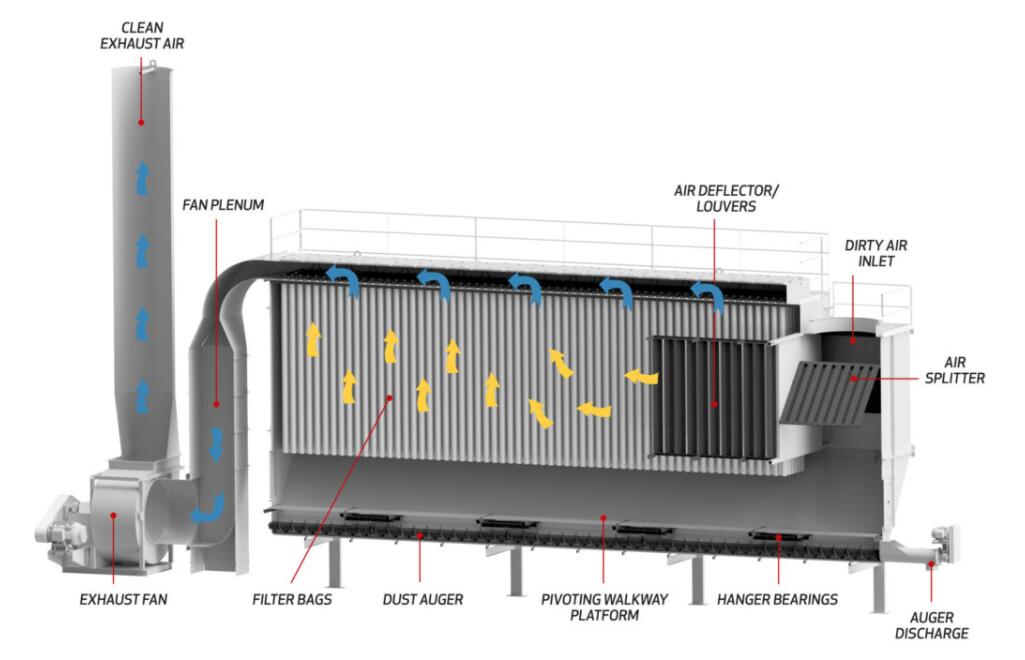
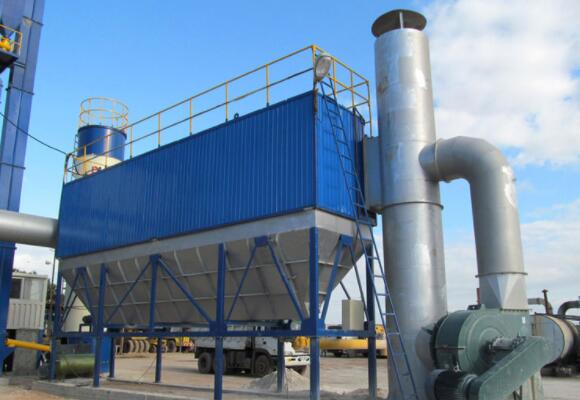
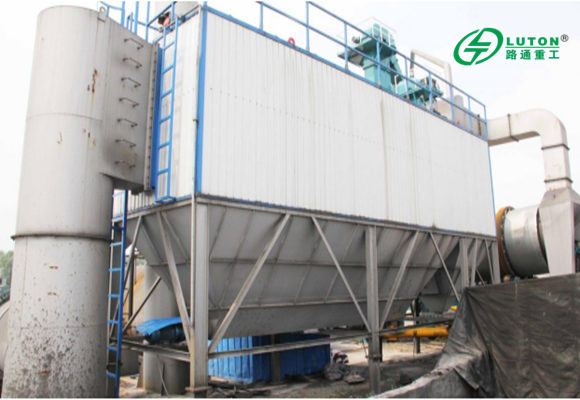
Baghouse dust collectors are essential for capturing fine particles and preventing air pollution.
Operators must regularly inspect filters, maintain proper airflow, and ensure that exhaust temperatures remain within safe limits.
Monitoring stack emissions helps ensure compliance with local environmental regulations.
Noise and Odor Management
Dryer drums, burns, and conveyors generate noise that must be controlled with proper insulation and equipment maintenance.
Bitumen heating and mixing can produce odors. Using enclosed systems and proper ventilation helps minimize environmental impact.
Fuel Efficiency and Energy Use
Efficient burner control reduces fuel consumption and lowers carbon emissions.
Keeping aggregates dry and optimizing burner settings can significantly cut energy use.
Automated systems help monitor fuel flow and maintain stable production temperatures.
Safe Handling of Hot Materials
Bitumen tanks, piping systems, and mixers operate at high temperatures. Operators must use protective gear and follow strict handling procedures.
Clear labeling, insulated equipment, and emergency shut-off systems reduce the risk of burns and heat-related injuries.
Equipment and Site Safety
Regular inspection of conveyors, gearboxes, belts, and rotating parts helps prevent mechanical failures.
All walkways, ladders, and platforms must be equipped with guardrails and anti-slip surfaces.
Safety training on lockout/tagout (LOTO) procedures is essential during maintenance.
Environmental Compliance and Recordkeeping
Plants must maintain updated records of emissions, fuel use, and maintenance logs to demonstrate compliance.
Routine audits and environmental assessments help identify improvement opportunities and prevent violations.
By prioritizing environmental responsibility and workplace safety, HMA plants can reduce operational risks, improve sustainability, and maintain a strong reputation with local authorities and clients.
Common Challenges in HMA Plant Operations and How to Solve Them
Even well-designed hot mix asphalt plants encounter operational challenges that can affect productivity, mix quality, and operating costs. Understanding these issues – and knowing how to address them – helps operators maintain stable output and avoid costly downtime.
Inconsistent Mix Quality
Common causes:
- Incorrect aggregate proportions
- Temperature fluctuations
- Uneven bitumen distribution
Solutions:
- Calibrate weigh systems frequently
- Monitor aggregate moisture and adjust dryer settings
- Maintain proper mixing time and stable bitumen temperature
High Moisture Content in Aggregates
Impact:
- Increased fuel consumption
- Reduced production speed
- Inconsistent asphalt temperature
Solutions:
- Cover stockpiles to reduce rainwater absorption
- Conduct routine moisture tests to adjust dryer temperature
- Improve drainage around aggregate storage areas
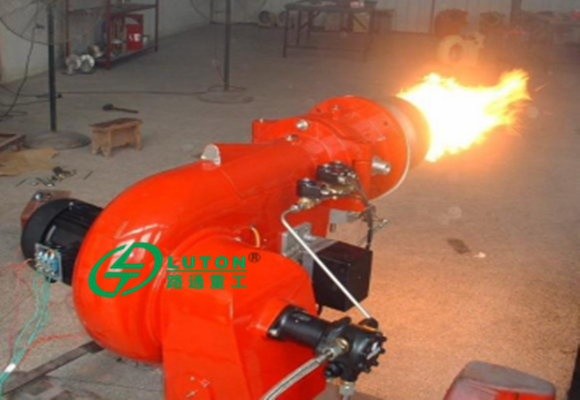
Burner Inefficiency and Temperature Instability
Common causes:
- Poor burner adjustment
- Blocked fuel nozzles
- Worn-out drum flights reducing heat transfer
Solutions:
- Perform routine burner tuning and cleaning
- Inspect and replace worn flights
- Use automated temperature control systems to maintain consistency
Dust Collection System Failures
Impact:
- Emission violations
- Reduced airflow and drying efficiency
- Environmental complaints
Solutions:
- Inspect baghouse filters and seals regularly
- Maintain proper exhaust temperature to prevent condensation
- Clean dust return systems to ensure smooth operation
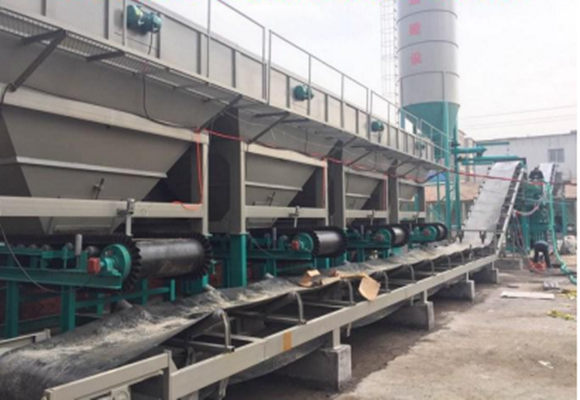
Conveyor and Feeder Blockages
Common causes:
- Oversized aggregates
- Material buildup
- Worn belts or rollers
Solutions:
- Screen aggregates before feeding
- Schedule regular cleaning and lubrication
- Replace worn components to avoid sudden breakdowns
Premature Cooling of Asphalt Mix
Impact:
- Poor paving quality
- Segregation and reduced workability
Solutions:
- Insulate storage silos
- Minimize truck waiting times
- Monitor discharge temperature before loading
Excessive Fuel Consumption
Common causes:
- Wet aggregates
- Poor burner tuning
- Leaks in the dryer or dust system
Solutions:
- Reduce aggregate moisture through better storage
- Fine-tune burner settings
- Sea leaks to improve thermal efficiency
Proactively addressing these challenges helps keep HMA plants running smoothly, improves asphalt quality, and reduces operational costs – allowing producers to meet project deadlines with confidence.
Choosing the Right Hot Mix Asphalt Plant
Selecting the right hot mix asphalt plant is essential for achieving consistent mix quality, meeting production targets, and staying within project budgets. The ideal plant configuration depends on the project scale, material specifications, and operational environment.
Determine Required Production Capacity
Small to medium projects (10-80 TPH): Small asphalt plants are suitable for rural roads, small contractors, and local municipal work.
Medium to large projects (80-160 TPH): Medium-sized asphalt plants are ideal for regional highways and continuous production requirements.
Large-scale and commercial projects (160-320+ TPH): Large-scale plants are best for national highways, airports, and high-volume asphalt supply operations.
Matching plant capacity to project needs helps optimize fuel use and reduce unnecessary operating costs.
Choose Between Batch Mix and Drum Mix Plants
Knowing the detailed differences between batch mix plants and drum mix plants is the crucial thing to choose ideal type.
| Plant Types | Batch Mix Plant | Drum Mix Plant |
| Mixing Methods | Precise mix control | Continuous production |
| Characteristics | Suitable for multiple recipes and high-spec asphalt | Lower operating cost and simpler structure |
| Applications | Preferred for urban roads, highways, and government projects | Ideal for large-volume, long-duration projects |
Choosing the correct type ensures operational efficiency and compliance with project specifications.
Evaluate Fuel Options and Energy Efficiency
Plants can ran on diesel, heavy oil, gas, or coal depending on local availability.
Consider energy-saving burners, insulation upgrades, and moisture control systems.
Lower energy consumption directly reduces long-term operating costs.
Consider Environmental Compliance Requirements
Check local regulations on emissions, dust controls, and noise levels.
Ensure the plant includes a reliable baghouse, noise reduction design, and optional RAP system for sustainability.
Selecting compliant equipment prevents delays due to regulatory issues.
Assess Automation and Control Systems
Advanced PLC or computer-controlled systems improve accuracy, reduce labor reliance, and minimize production errors.
Automated monitoring helps track temperature, feed rates, and mix quality in real time.
Higher automation is especially valuable for large-scale commercial operations.
Review Maintenance and After-Sales Support
Opt for equipment with accessible components, durable parts, and user-friendly designs.
Reliable after-sales service, spare parts availability, and technical support are critical for minimizing downtime.
A strong supplier partnership ensures long-term operational stability.
Budget, Lifecycle Cost, and ROI
Instead of focusing only on initial purchase price, consider:
- Fuel consumption rate
- Expected maintenance cost
- Component lifespan
- Potential for future capacity upgrades
A plant with lower lifecycle cost delivers better long-term value.
Choosing the right Hot Mix Asphalt Plant is a strategic decision. By assessing capacity needs, operational environment, energy efficiency, and service support, contractors can secure the most reliable and cost-effective solution for long-term success.